


The Discomfort That Sneaks Up Without Warning
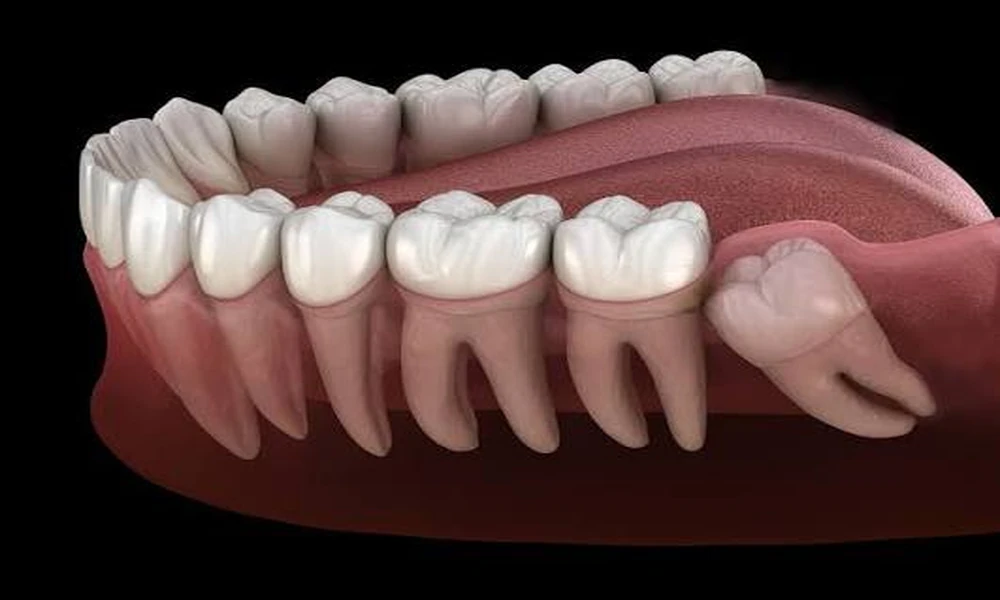
Most people do not think about their third molars until pain forces the issue. A dull ache near the back of the jaw, swelling that will not subside, or a sudden sensitivity when chewing often signals that wisdom teeth are pushing against neighboring structures in ways the mouth was never built to accommodate. These teeth tend to arrive late, usually between the ages of seventeen and twenty five, long after the rest of the jaw has settled into its adult shape. By the time symptoms show up, the situation has frequently progressed past simple monitoring.
The real complication is that wisdom teeth rarely announce themselves early. They can grow at odd angles, remain partially trapped beneath the gumline, or crowd adjacent molars without producing any noticeable signs for months or even years. Dentists often catch these issues through routine X-rays before a patient feels a thing, which is part of why regular checkups matter even when nothing seems wrong. Left unaddressed, impacted or misaligned wisdom teeth can lead to infection, cyst formation, or shifting that affects the alignment of teeth that took years of orthodontic work to straighten. The problem is not just the tooth itself but the chain of consequences it can set off.
Matching the Procedure to the Actual Situation in Your Mouth
Addressing wisdom teeth is not a one-size-fits-all process, and treating it that way is where many patients run into unnecessary stress. A tooth that has fully emerged and sits in reasonable alignment might only need a straightforward extraction under local anesthesia, similar to removing any other tooth. A molar trapped beneath bone or angled sideways into a neighboring root requires a more involved surgical approach, sometimes with sedation, and a longer recovery window. The right path depends on imaging, the position of the roots, and how close the tooth sits to nerves and sinus cavities.
This is where understanding the available wisdom teeth extraction choices becomes genuinely useful rather than just informative. Oral surgeons typically walk patients through options ranging from simple extraction to full surgical removal, explaining sedation levels, expected downtime, and the risks tied to each approach. Patients weighing wisdom teeth extraction choices often find that the decision hinges less on preference and more on what the imaging reveals about tooth position and bone density. A tooth that looks troublesome on an X-ray does not always require the most invasive option, and a seemingly simple case can sometimes surprise everyone once the surgeon gets a closer look during the procedure.
Recovery expectations shift depending on which path is chosen, and this is often where patients feel caught off guard. Simple extractions tend to heal within a few days, while surgical removals involving bone or impacted teeth can take a week or more before swelling and discomfort fully resolve. Pain management, diet adjustments, and activity restrictions are not interchangeable across procedures, so clear communication with the surgical team beforehand prevents a lot of frustration during the days that follow.
Questions Worth Asking Before You Commit to a Date
Choosing a provider and a procedure type benefits from a bit of groundwork rather than scheduling the first available appointment. It helps to ask how many similar cases the surgeon handles in a typical month, since impacted or oddly positioned teeth benefit from someone who sees that complexity regularly rather than occasionally. Imaging quality also matters; a clear three-dimensional scan gives the surgical team a far better sense of root curvature and nerve proximity than a flat two-dimensional image ever could.
Cost and insurance coverage deserve attention earlier than most patients think to raise them. Extraction complexity affects pricing, and sedation options can add significant expense depending on whether a patient chooses local anesthesia, nitrous oxide, or full intravenous sedation. Asking for an itemized estimate before the procedure avoids surprises on the billing side, and many practices are willing to walk through financing options if the total feels steep.
Recovery support is another piece people tend to underestimate until the day of the procedure arrives. Someone recovering from sedation will need a ride home and likely some help for the first twenty four hours, particularly if multiple teeth come out at once. Soft foods, ice packs, and a quiet couple of days afterward make a noticeable difference in comfort levels, so planning that window into a work or school schedule ahead of time saves a lot of last-minute scrambling once the swelling sets in.