
Major surgery changes more than the targeted area of your body. The weeks and months following a procedure create knock-on effects throughout your musculoskeletal system, from altered posture and compensatory movement patterns to muscle weakness and joint stiffness. Understanding these secondary impacts helps you prepare for a more complete recovery that addresses not just the surgical site, but the broader physical adaptations your body makes during healing.
Whether you’ve undergone orthopedic procedures, abdominal surgery, or operations affecting the chest wall, your body compensates in predictable ways. These compensations, while protective in the short term, can become problematic if left unaddressed. Recognizing the connection between surgical recovery and musculoskeletal health allows you to take proactive steps that reduce long-term complications and restore functional movement.
The Immediate Musculoskeletal Impact of Surgery
Within days of surgery, your body begins making protective adjustments. Pain and restricted movement at the surgical site trigger guarding behaviors where surrounding muscles tighten to limit motion. This protective response serves an important purpose initially, but it quickly spreads beyond the immediate area. A person recovering from chest or upper body surgery often unconsciously hunches their shoulders forward, shortening the pectoral muscles and weakening the upper back stabilizers.
Immobility during and after surgery accelerates muscle atrophy. Research shows that muscle loss begins within 24 to 48 hours of reduced activity, with significant decreases in strength occurring within the first week. The muscles most affected are typically those nearest the surgical site and the postural stabilizers that maintain alignment. This loss isn’t merely cosmetic-it directly impacts your ability to perform daily activities and increases your risk of secondary injuries during recovery.
Inflammation from the surgical process extends beyond the incision. The body’s inflammatory response affects connective tissue mobility, creating adhesions and reducing the sliding capacity of fascial layers. This restriction alters how force transfers through your kinetic chain, potentially creating stress points in areas far removed from the original surgery site.
Post-Surgical Recovery in Breast Surgery Patients
Patients who undergo breast surgery face specific musculoskeletal challenges that require specialized attention during recovery. The pectoralis major and minor muscles, which attach to the chest wall and shoulder, experience significant disruption. For individuals considering or recovering from mastectomy surgery, understanding these anatomical relationships becomes essential for planning effective rehabilitation. Cleveland Clinic Abu Dhabi provides comprehensive surgical care with integrated support services that address both the immediate procedure and the longer-term recovery process, helping patients in the UAE access specialized treatment protocols.
The shoulder girdle complex relies on balanced muscle activation between the chest, upper back, and rotator cuff. When anterior chest muscles are affected by surgery, patients often develop forward shoulder positioning and limited overhead reach. This compensatory pattern can persist months after tissue healing is complete if not addressed through targeted rehabilitation. Range of motion exercises, progressive strengthening, and manual therapy techniques help restore normal biomechanics and prevent chronic dysfunction.
Compensatory Movement Patterns and Their Consequences
Your nervous system prioritizes protection over optimal movement. When one area hurts or moves poorly, other body parts work harder to compensate. A patient favoring one side after surgery often shifts their weight distribution, creating asymmetrical loading patterns that stress the hips, knees, and spine. These adaptations happen unconsciously and can become ingrained habits that outlast the initial healing period.
The lumbar spine frequently bears the brunt of upper body compensation. When shoulder mobility decreases, people often increase lumbar rotation and side-bending to accomplish reaching tasks. This substitution pattern overloads spinal joints and surrounding muscles, potentially triggering back pain that seems unrelated to the original surgery. Similarly, reduced core engagement during the protective phase of recovery allows the pelvis to shift out of neutral alignment, affecting everything from breathing mechanics to lower extremity function.
Gait changes represent another common compensation. Altered arm swing, shortened stride length, and modified foot placement patterns all reflect your body’s attempt to minimize discomfort. While these adjustments serve you in the acute phase, maintaining them long-term increases energy expenditure and creates abnormal stress on joints throughout the kinetic chain.
The Role of Rehabilitation in Preventing Long-Term Dysfunction
Early mobilization within safe parameters prevents many secondary complications. Gentle movement maintains tissue extensibility, reduces adhesion formation, and provides neurological input that helps preserve motor patterns. The key lies in distinguishing between appropriate protective discomfort and movement that risks tissue damage. Working with rehabilitation specialists who understand post-surgical precautions ensures you progress safely without compromising healing.
Progressive loading strategies rebuild strength systematically. Starting with isometric contractions that don’t stress the surgical site, then advancing to controlled movement through partial ranges, and finally progressing to full functional patterns allows tissues to adapt gradually. This approach respects biological healing timelines while preventing the deconditioning that creates vulnerability to future injury.
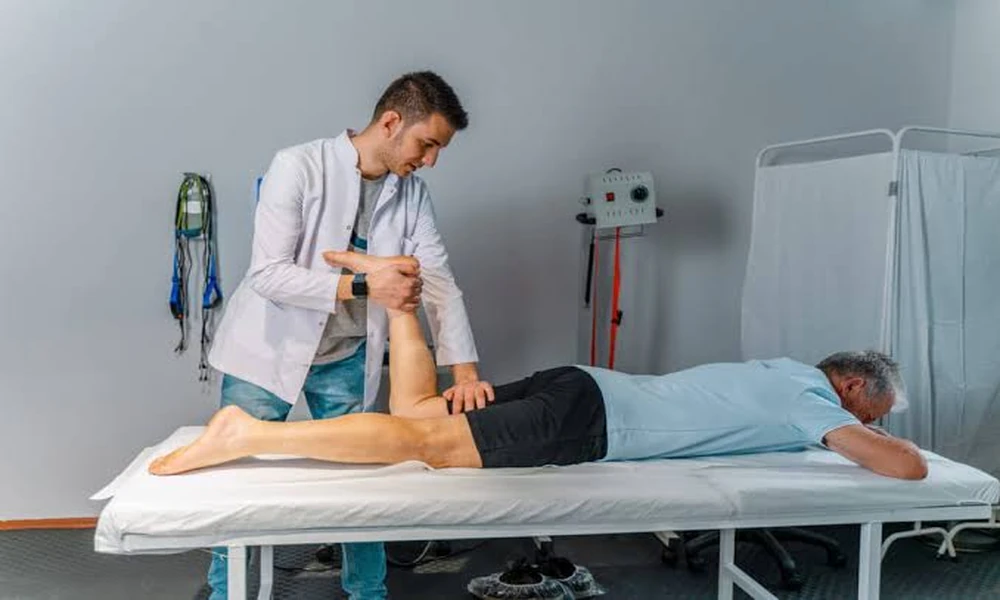
Manual therapy techniques address restrictions that exercise alone cannot resolve. Soft tissue mobilization reduces adhesions, joint mobilization restores normal arthrokinematics, and neuromuscular re-education retrains optimal movement patterns. These interventions, provided by qualified practitioners who understand post-surgical considerations, complement your exercise program and accelerate functional recovery. Similar principles apply across healthcare settings, as emphasized in discussions about preventive care approaches that address musculoskeletal dysfunction before it becomes chronic.
Building a Comprehensive Recovery Strategy
Successful surgical recovery extends beyond following basic post-operative instructions. It requires a coordinated approach that addresses multiple systems simultaneously. Nutrition supports tissue repair, with adequate protein intake being particularly important for rebuilding muscle mass. Hydration affects fascial mobility and reduces inflammation. Sleep quality directly impacts healing rates and pain perception.
Mental and emotional factors influence physical recovery more than many people realize. Pain catastrophizing and fear-avoidance behaviors predict poorer outcomes across surgical populations. Conversely, patients who maintain realistic optimism and engage actively in their rehabilitation consistently demonstrate better results. This doesn’t mean ignoring legitimate concerns, but rather approaching recovery with problem-solving mindset rather than passive resignation.
Setting appropriate milestones helps maintain motivation during the recovery journey. Early goals might include independent dressing, returning to light household tasks, or achieving specific range-of-motion targets. Later objectives shift toward recreational activities, return to work, and full participation in desired physical pursuits. Breaking the recovery process into manageable phases makes the overall timeline less daunting and provides clear indicators of progress.
When to Seek Additional Support
Certain warning signs indicate that your recovery needs additional intervention. Persistent pain that doesn’t improve with time, swelling that increases rather than decreases, or new symptoms developing in areas away from the surgical site all warrant professional evaluation. Similarly, if you notice your movement patterns becoming more restricted rather than more fluid as weeks pass, seeking guidance prevents minor issues from becoming major limitations.
International healthcare resources provide valuable information for patients navigating complex medical decisions. Organizations such as specialized medical centers offer educational materials that help families understand treatment options and recovery expectations across various surgical procedures.
Building a healthcare team that communicates effectively ensures continuity throughout your recovery. Your surgeon, primary care physician, physical therapist, and any other specialists should coordinate their approaches based on your individual needs and circumstances. This collaboration prevents conflicting advice and creates a unified strategy that addresses all aspects of your healing process.
Long-Term Musculoskeletal Health After Surgery
The end of formal rehabilitation doesn’t mean the end of recovery-focused behavior. Maintaining the gains you’ve made requires ongoing attention to movement quality, strength maintenance, and body awareness. Many people benefit from periodic check-ins with rehabilitation providers even after discharge, particularly when returning to higher-level activities or noticing subtle changes in how their body feels.
Developing sustainable exercise habits protects against future musculoskeletal problems. Activities that promote balanced strength, adequate flexibility, and cardiovascular fitness all contribute to resilience. The specific choices matter less than consistency and progressive challenge. Whether you prefer swimming, resistance training, yoga, or recreational sports, choosing activities you genuinely enjoy increases the likelihood you’ll maintain them long-term.
Understanding your body’s signals becomes increasingly refined through the recovery process. You learn to distinguish between productive discomfort that accompanies tissue adaptation and warning signs that indicate you’ve exceeded current capacity. This body literacy serves you far beyond surgical recovery, informing how you approach physical challenges throughout your life and helping you make decisions that support sustained musculoskeletal health.