


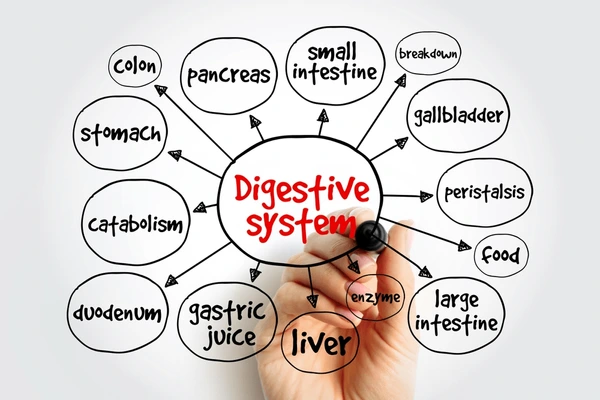
Have you ever wondered why some meals leave you feeling energized while others seem to drain you? Digestion, the process that breaks down food into nutrients for your body, plays a key role. For many in the US, where fast-paced lifestyles often lead to rushed meals or on-the-go snacks, understanding how digestion works can help improve not just your gut health, but your energy and overall well-being, too.
The Digestive Timeline
Digestion is a multi-step process that begins when you chew your food and continues until waste leaves your body. How long food takes to digest depends on what you eat and how your body processes it.
Here’s a general breakdown of different kinds of foods and their timeline in your digestive system:
Simple Carbohydrates (1-2 Hours)
Foods like white bread, sugary cereals, and snacks made with refined sugar digest quickly because they’re broken down into glucose almost immediately. While these provide a fast energy boost, they can also cause quick energy crashes.
Proteins (3-4 Hours)
From eggs and chicken to fish and tofu, proteins take considerably longer because your body has to break them down into amino acids. This moderate digestion speed helps sustain your energy longer.
Fats (4+ Hours)
High-fat foods like avocado, cheese, and nuts are slow to digest. Fats require extra effort from your digestive system, which is why they leave you feeling full for longer. However, consuming too much fat at once might weigh you down.
High-Fiber Foods (Varies)
Vegetables, fruits, and whole grains rich in fiber move slowly through your digestive system. Soluble fiber absorbs water and gels up, helping with nutrient absorption and sustained energy, while insoluble fiber keeps bowel movements regular.
Complex Meals (4-6 Hours)
Meals that combine macronutrients (carbs, proteins, and fats) require the longest digestion time. Your body processes each nutrient at a different rate, which prolongs the overall timeframe but provides balanced, long-lasting energy.
Tips to Support Healthy Digestion
Want to help your body digest foods more efficiently? Try these practical habits.
Chew Slowly
Digestion begins in your mouth. Chewing your food thoroughly helps break it down and mixes it with saliva, which contains enzymes to start the digestion process.

Stay Hydrated
Water plays a key role in digestion. However, drinking large amounts during meals may dilute stomach acids, slowing down the process. Sip water throughout the day instead.
Avoid Overeating
Large meals take longer to digest and can leave you feeling bloated. Opt for smaller, balanced portions to reduce strain on your digestive system.
Move Your Body
Physical activity, even a short walk after eating, can help stimulate digestion and prevent sluggishness.
Prioritize Gut-Friendly Foods
Probiotics from foods like yogurt or fermented vegetables can balance gut bacteria, while prebiotic-rich foods such as bananas and whole grains feed the good bacteria in your system.
Conclusion
From faster-digesting carbs to slow-breaking fats, the digestion timeline plays a huge role in how we feel throughout the day. Understanding this process equips you to eat more mindfully, improve energy management, and enhance your gut health over time.
By making small changes, like adjusting meal portions and drinking water the right way, you can give your digestive system the support it needs to work at its best. Remember, a healthier gut means a healthier, more energized you!